+44 1494 778 787
+44 1494 778 787
+44 1494 778 787

Open plan living is popular today meaning interiors have less internal doors: it's rare to find a home now with a separate dining room for example.That said, internal doors are required for hallway cupboards, studies, formal living areas, and the WC. The questions to consider are should your internal doors match your front door, and how should you allocate your budget?
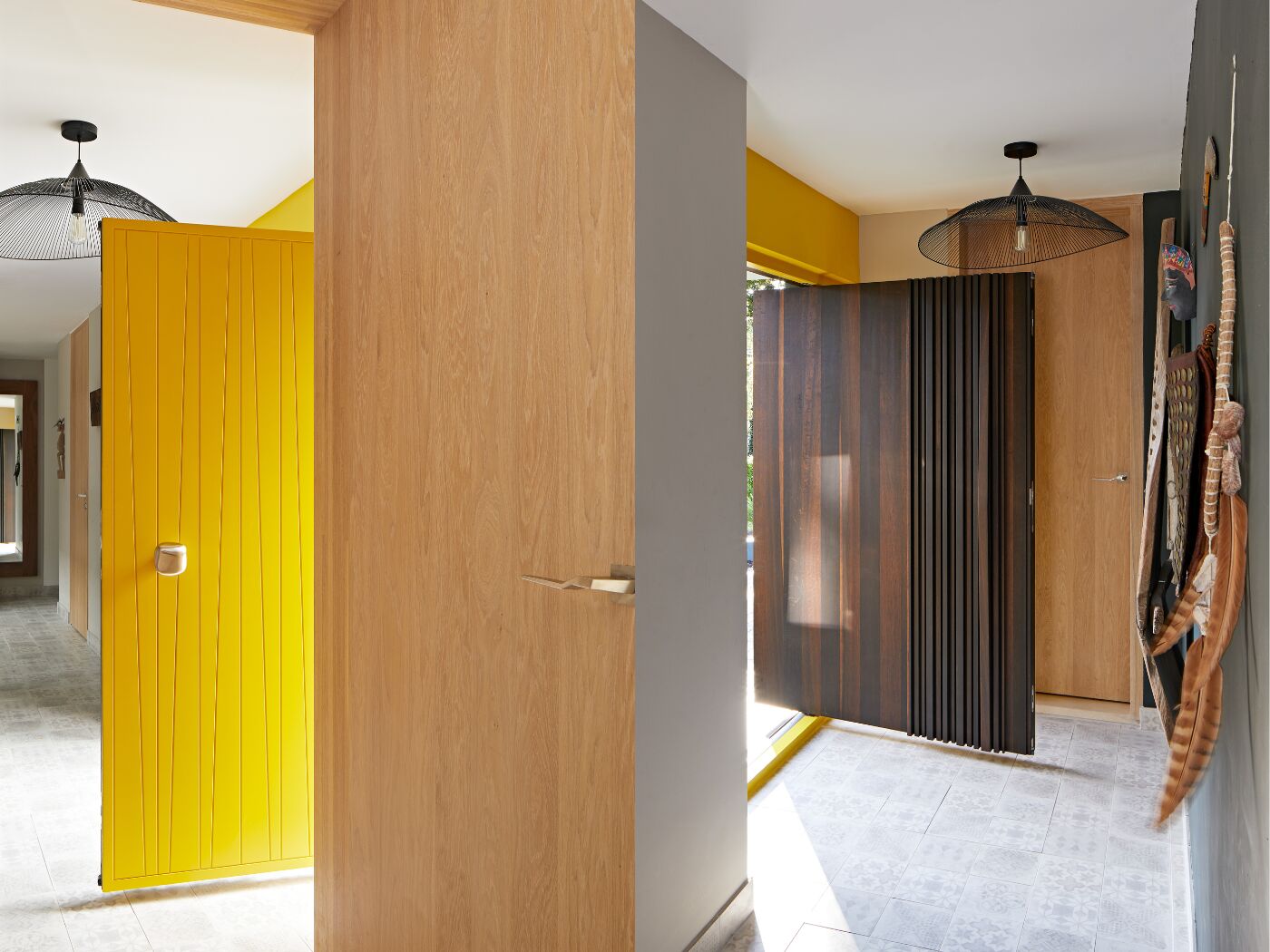
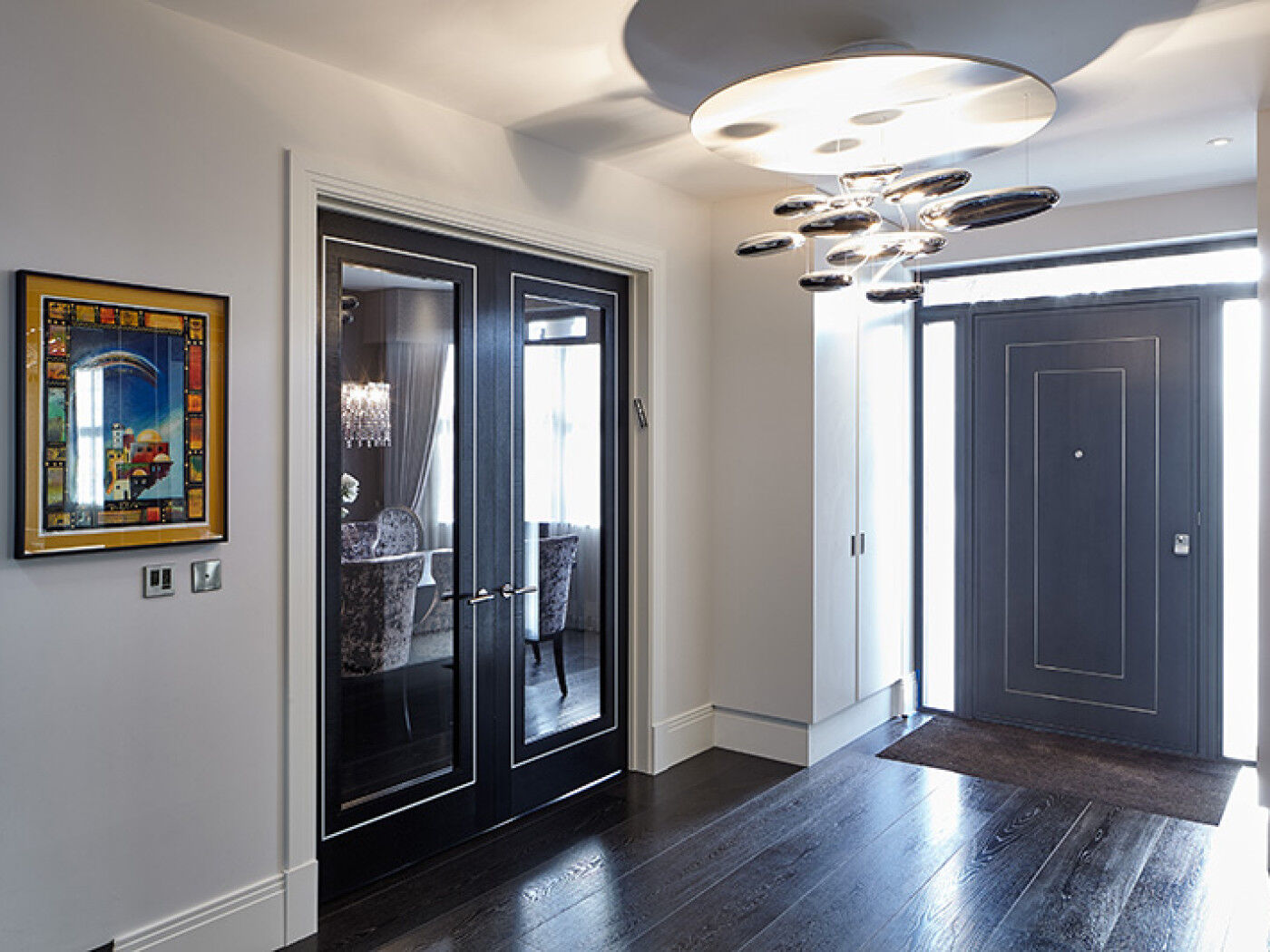
1. Your internal doors don’t have to match your front door: matching or clashing can be equally striking.
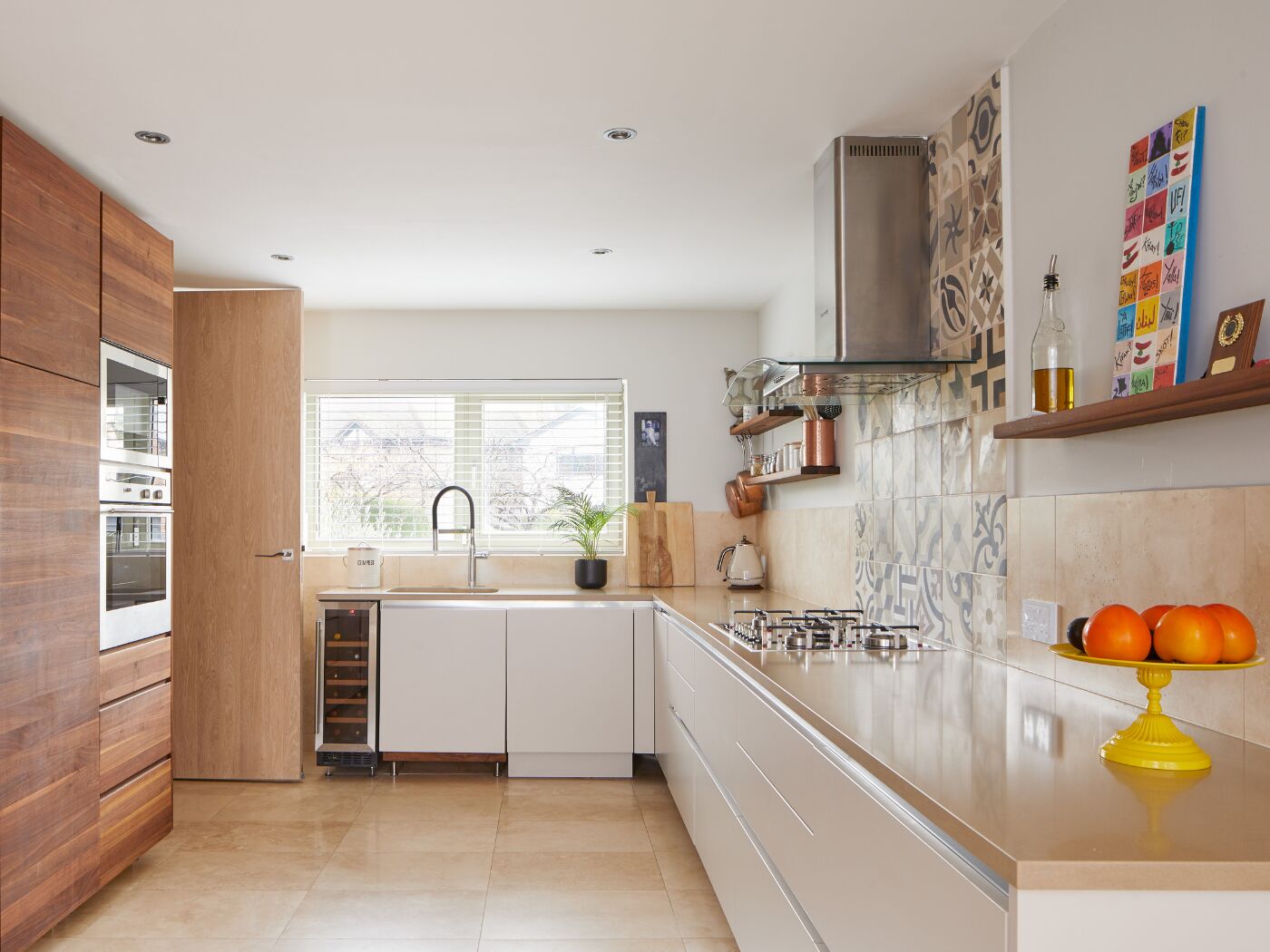
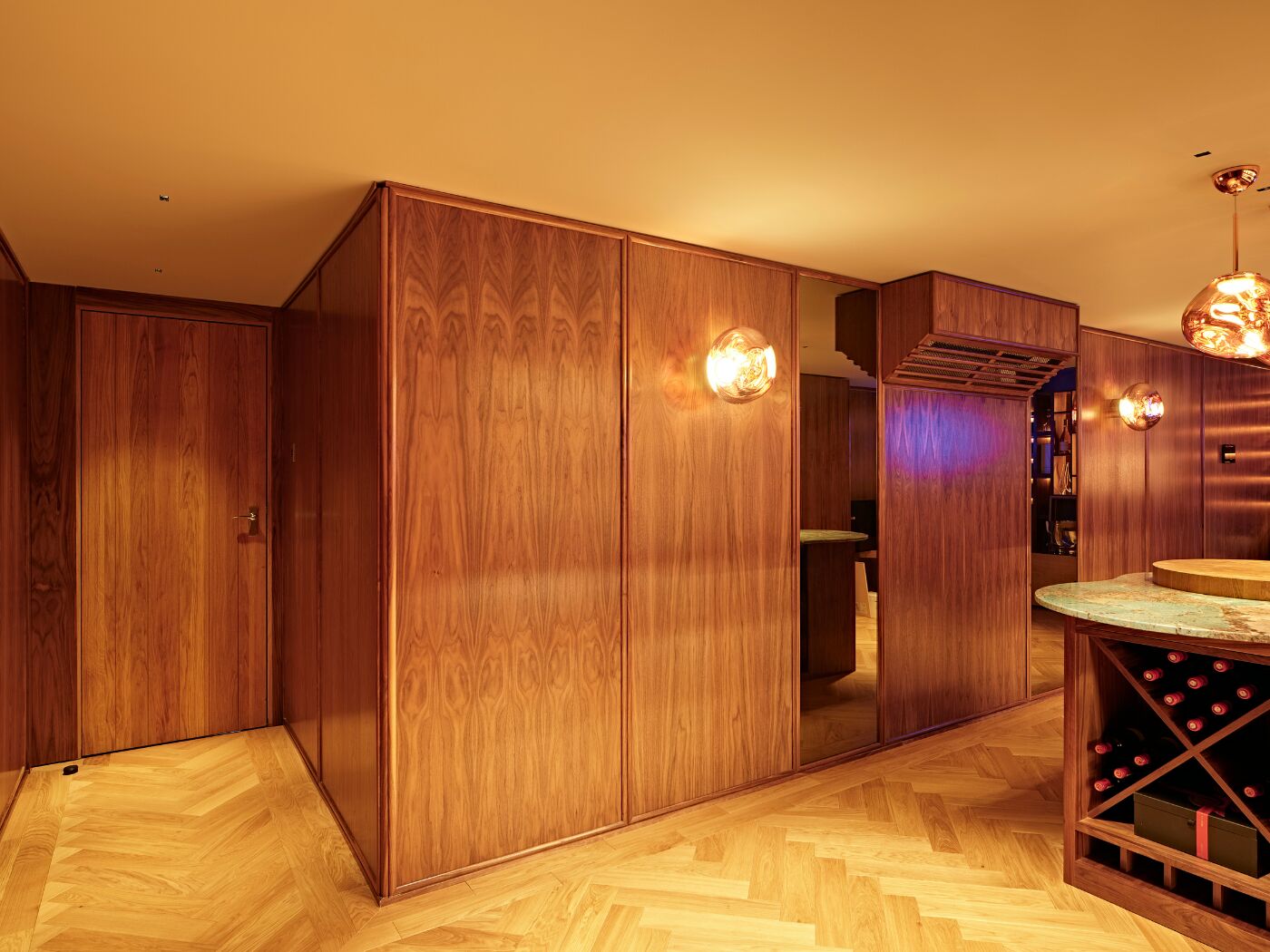
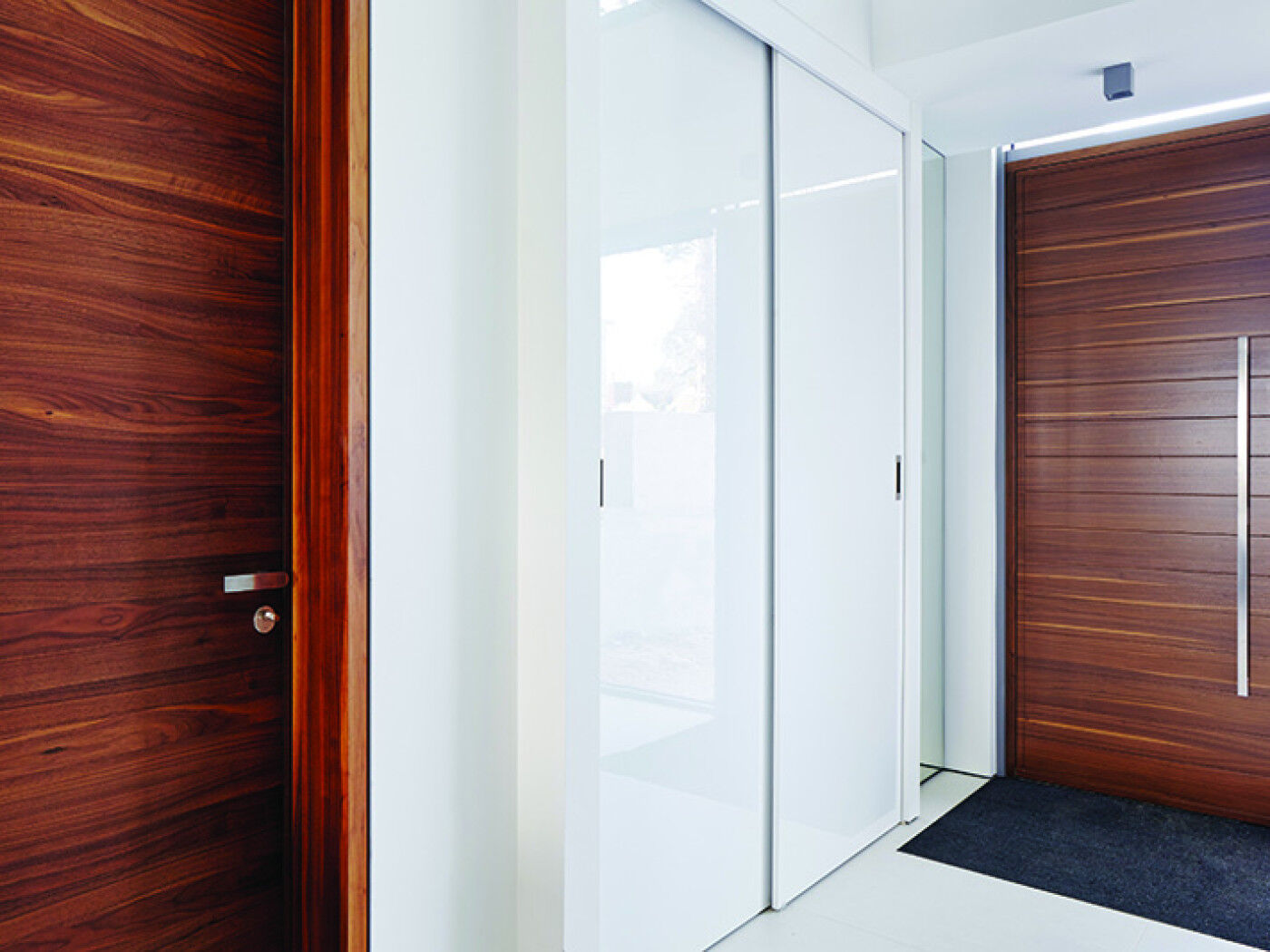
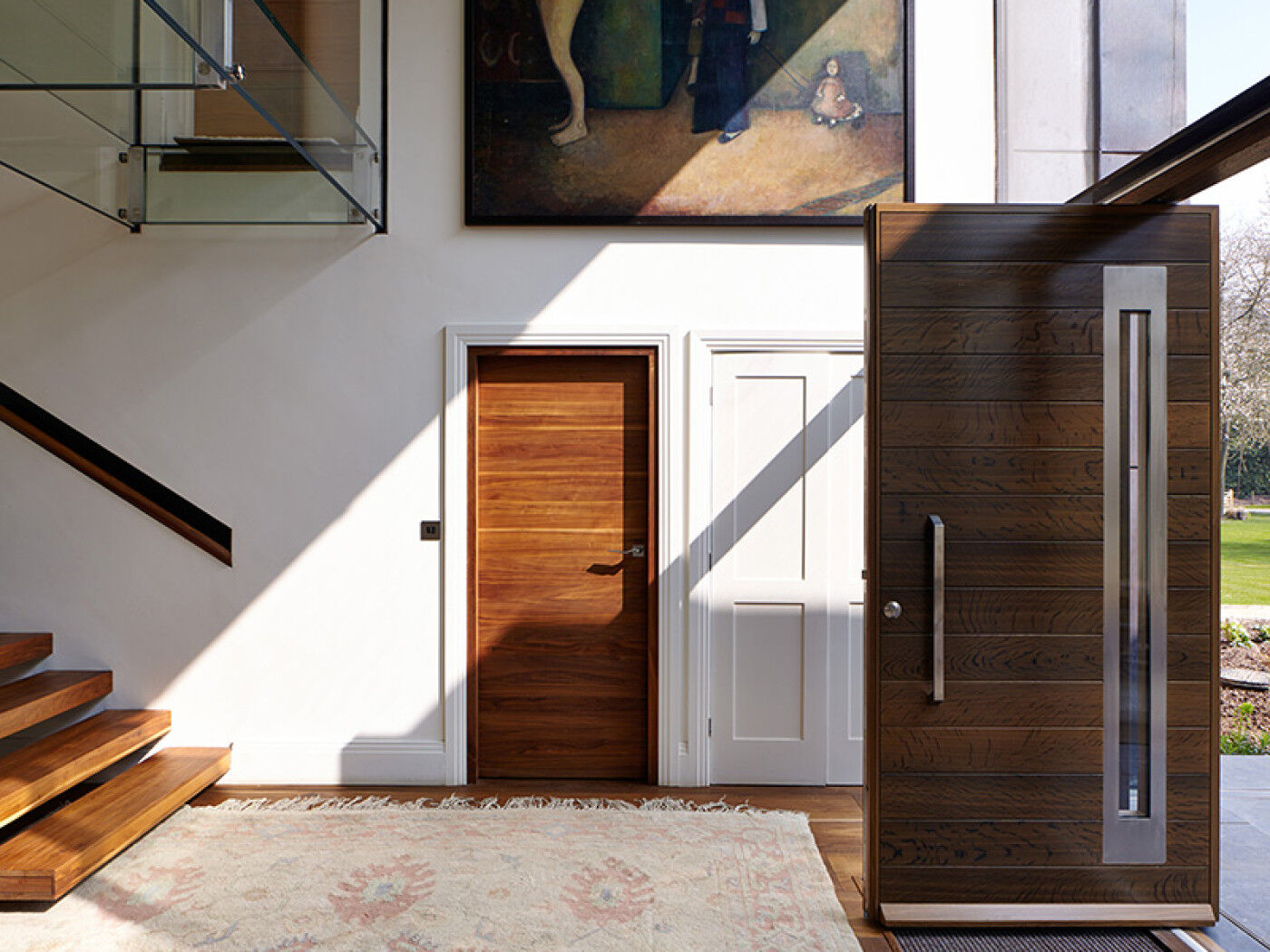
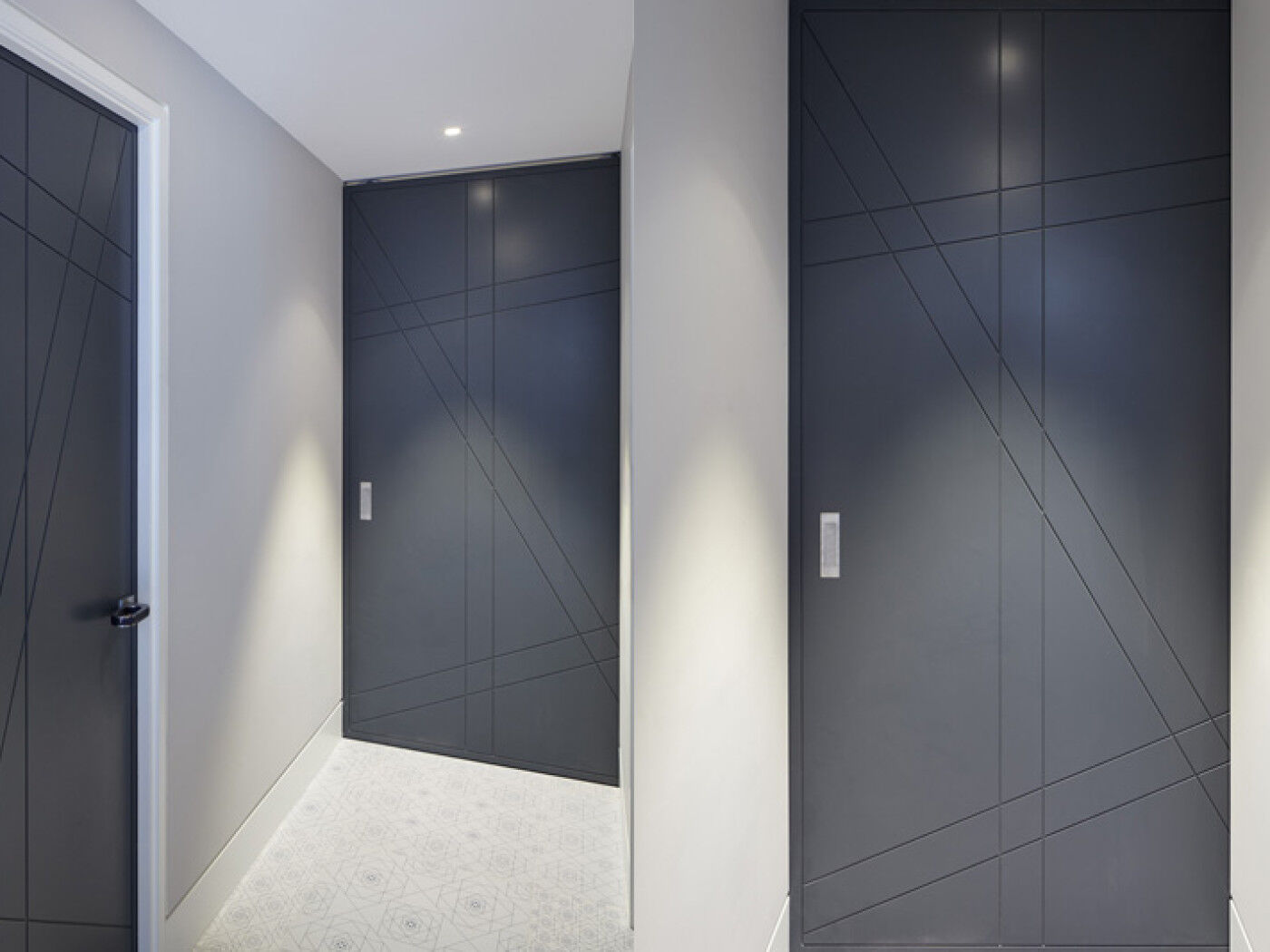
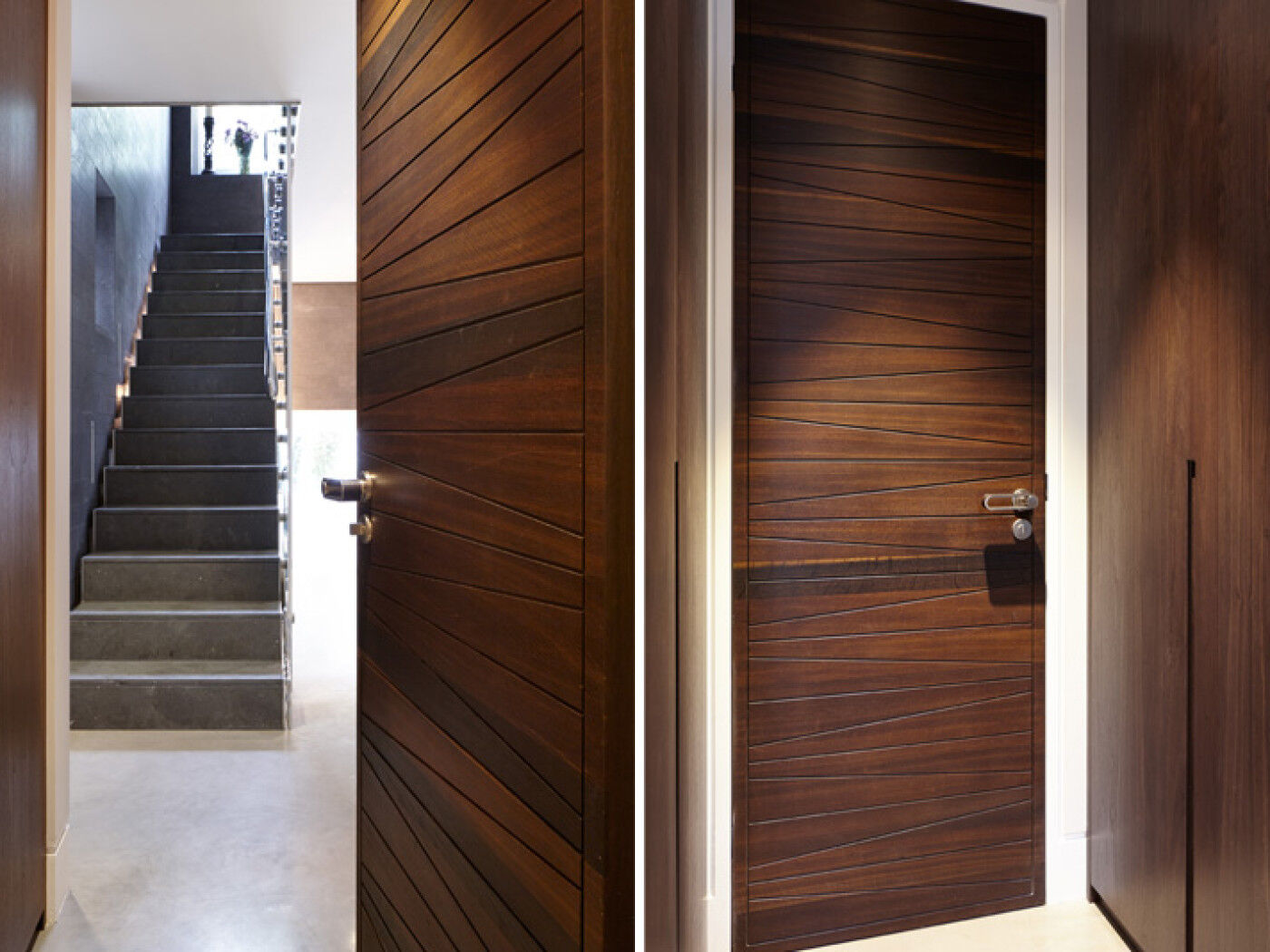
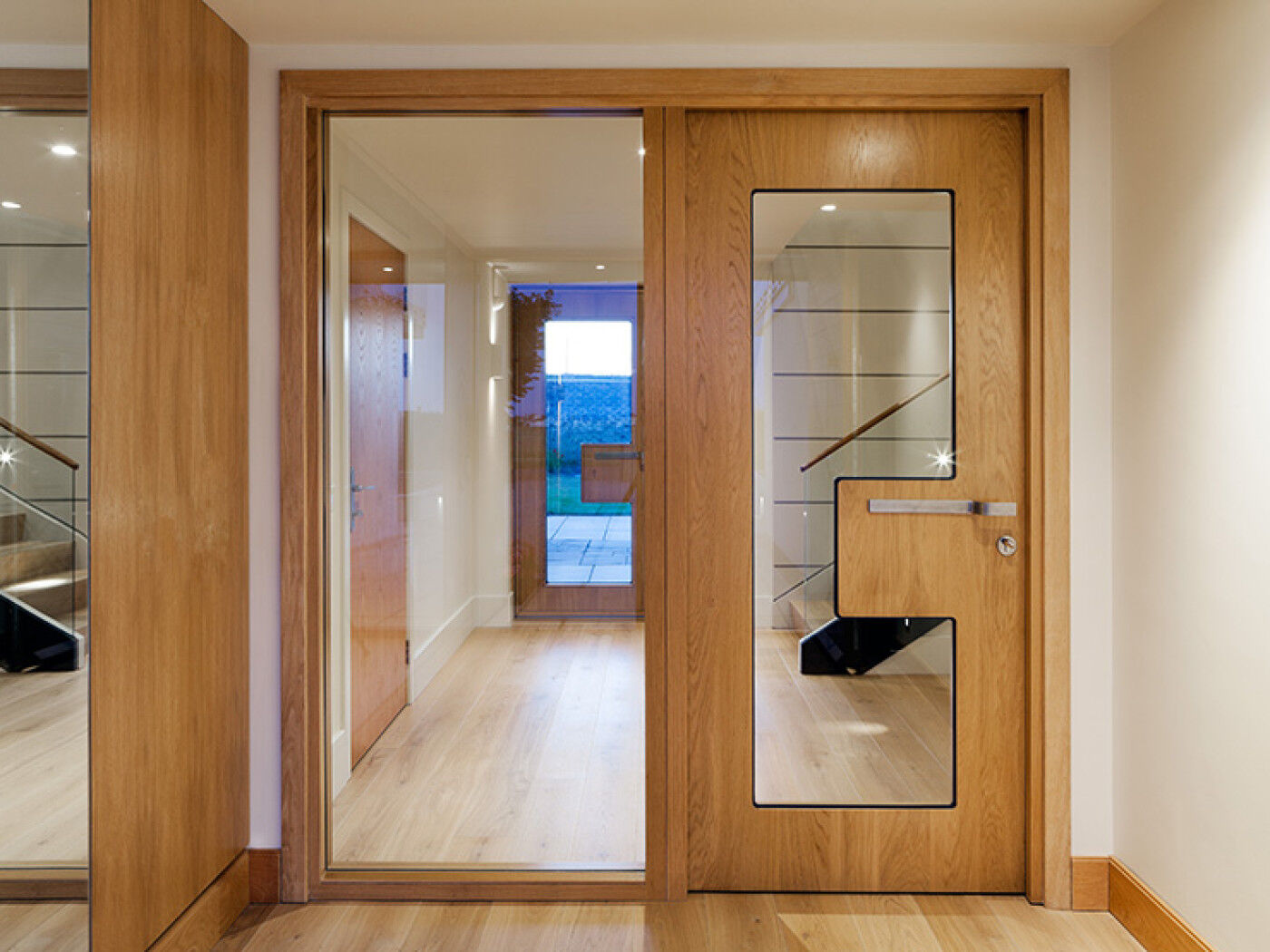
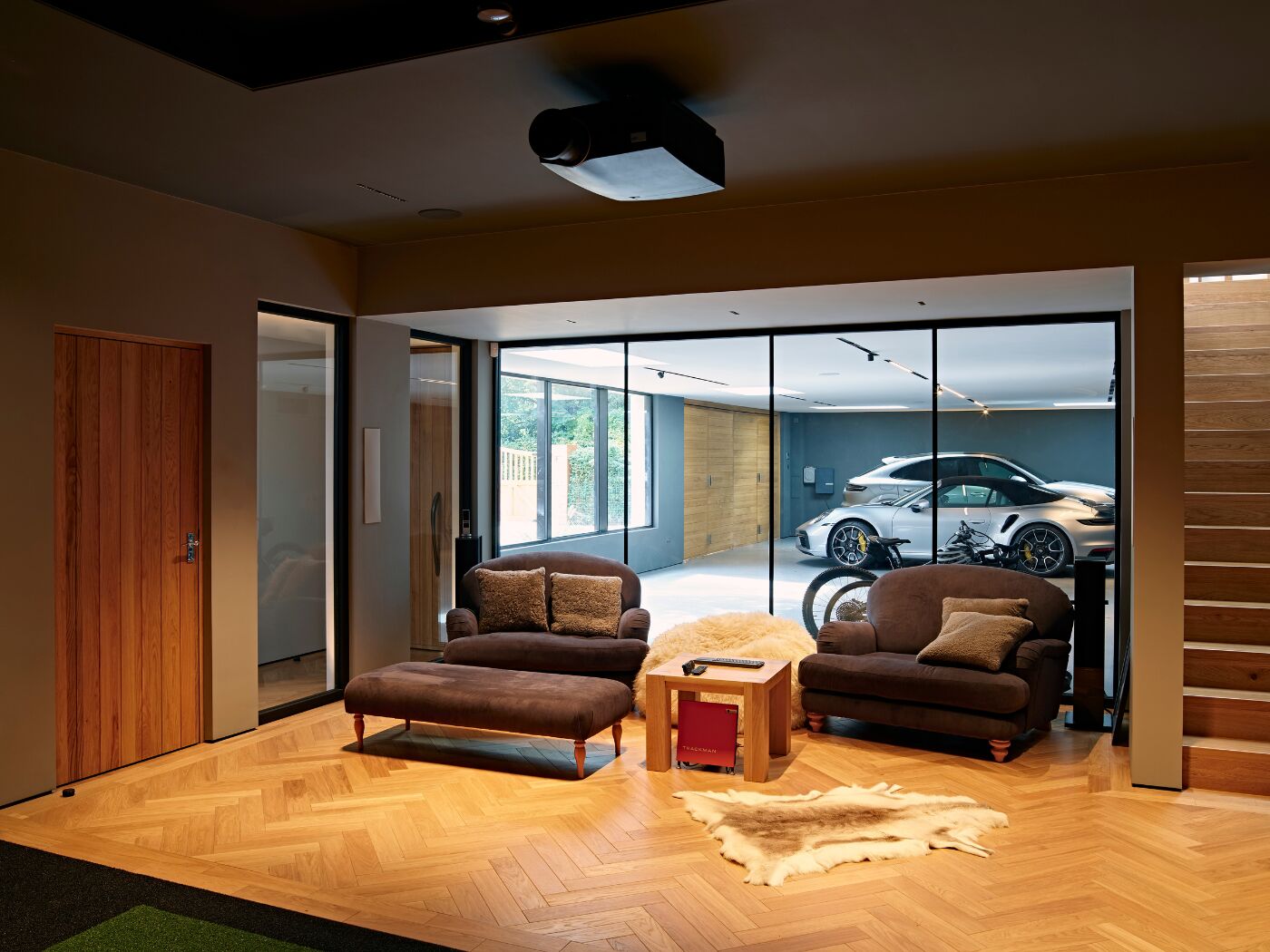
2. If you have a few internal doors in your hallway, then consider matching these to the front door, staircase, or flooring. Matching internal doors to a visible kitchen finish can be a good option too depending on your layout.
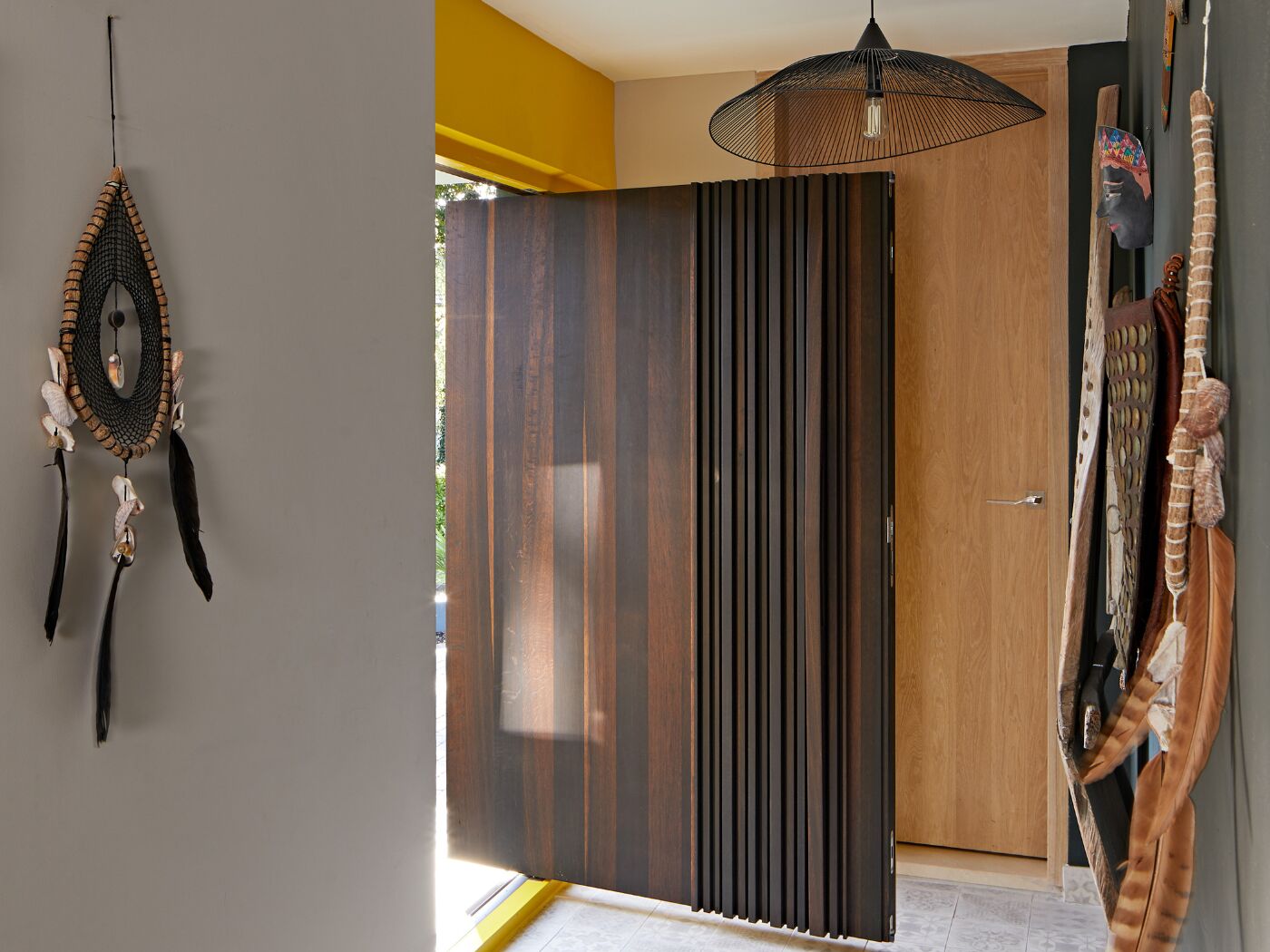
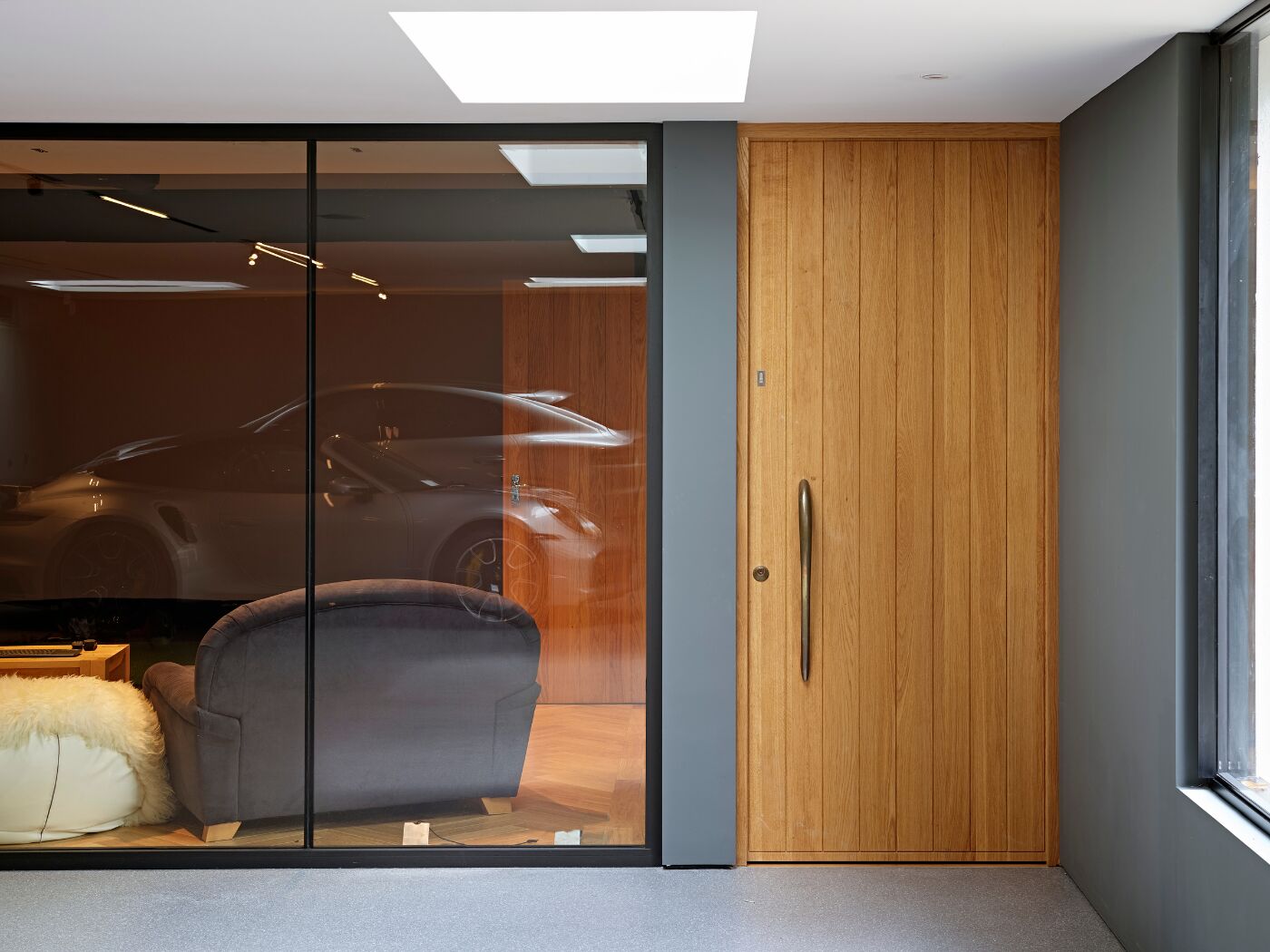
3. If you only have one or two internal doors in your hallway, don’t be afraid to be bold. Less doors means the ones you do have can be high impact.
4. Consider matching any cupboard doors to the walls to give them less significance than the main internal doors.
5. If you're keen to invest in high spec internal doors to match your front door but can't afford these throughout the entire property, consider them for the ground floor only. This area will get the most traffic and visibility to make them a worthwhile investment. Different doors and finishes for different areas of the house can work well.
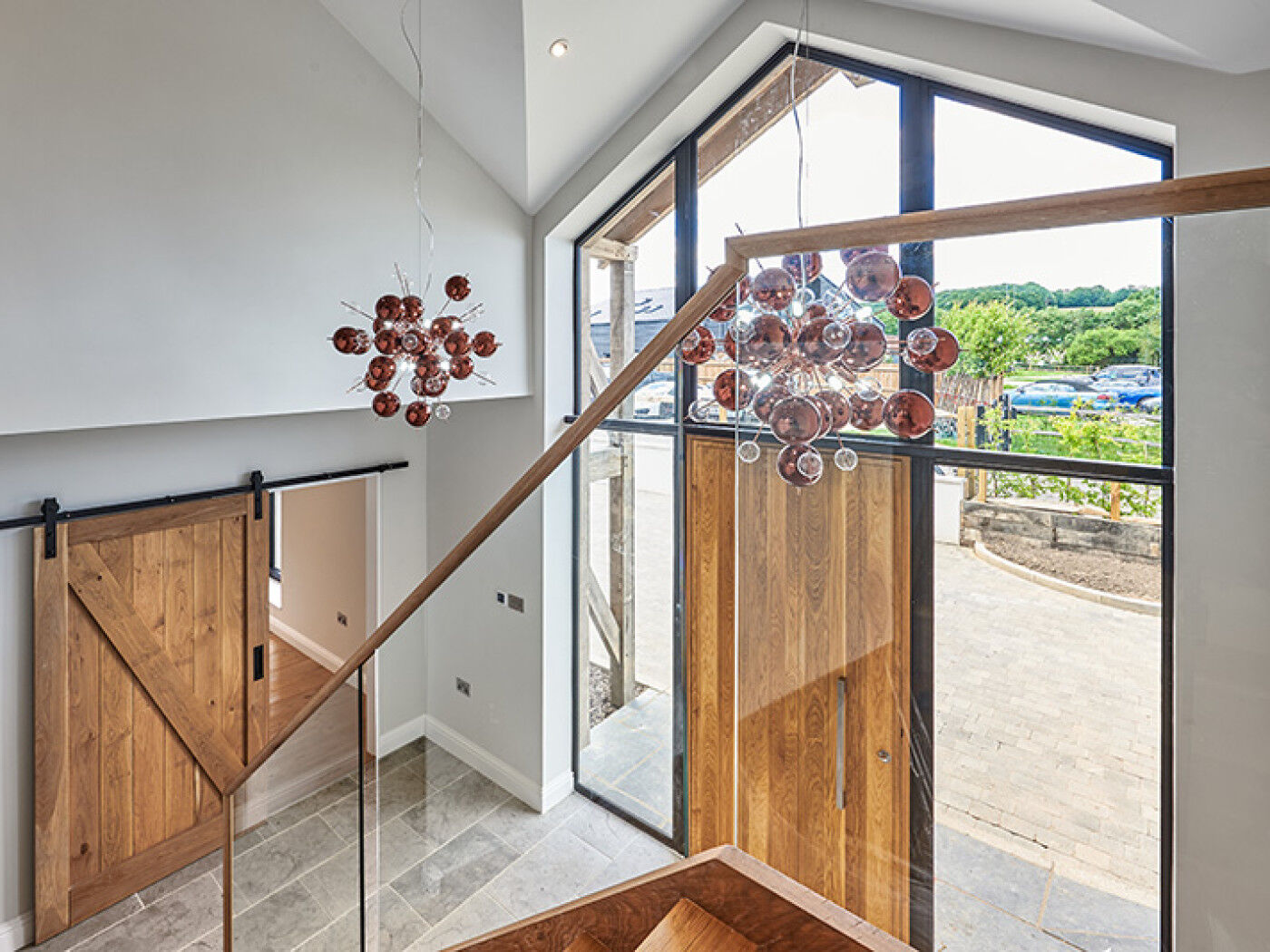
6. If you’d like a room divider but don’t want a door there, consider sliding doors that can remain hidden in the wall (pocket doors).
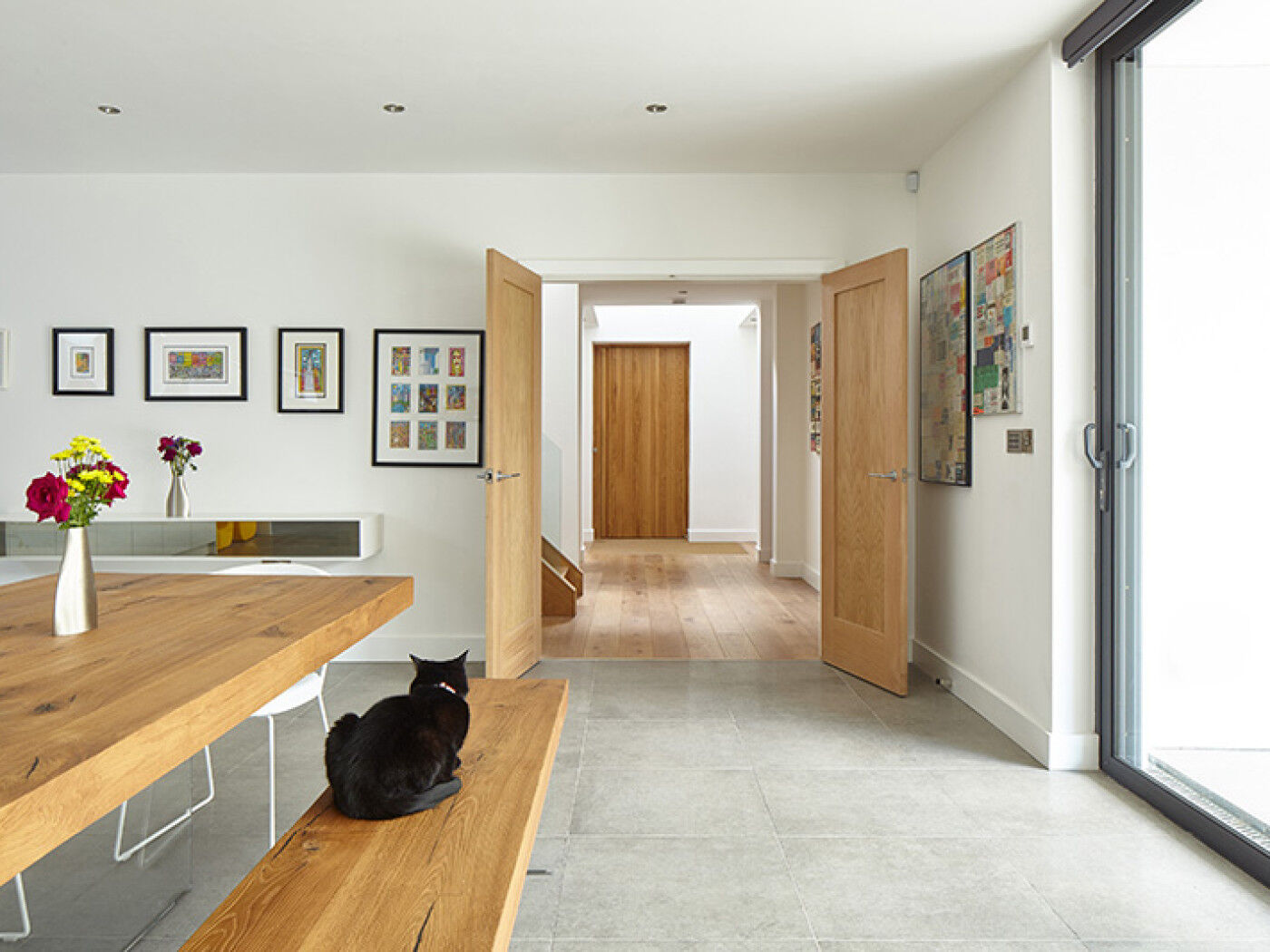
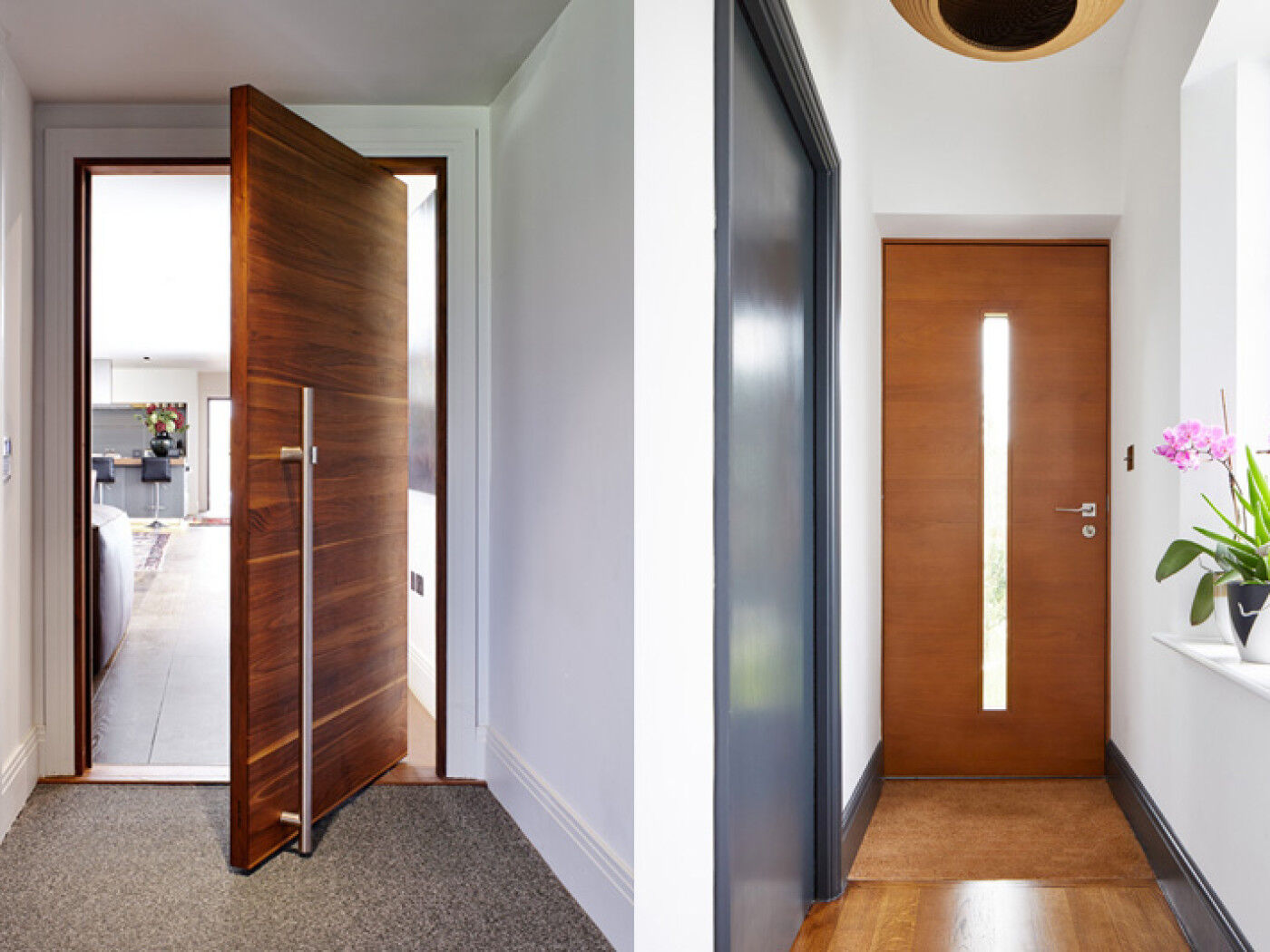
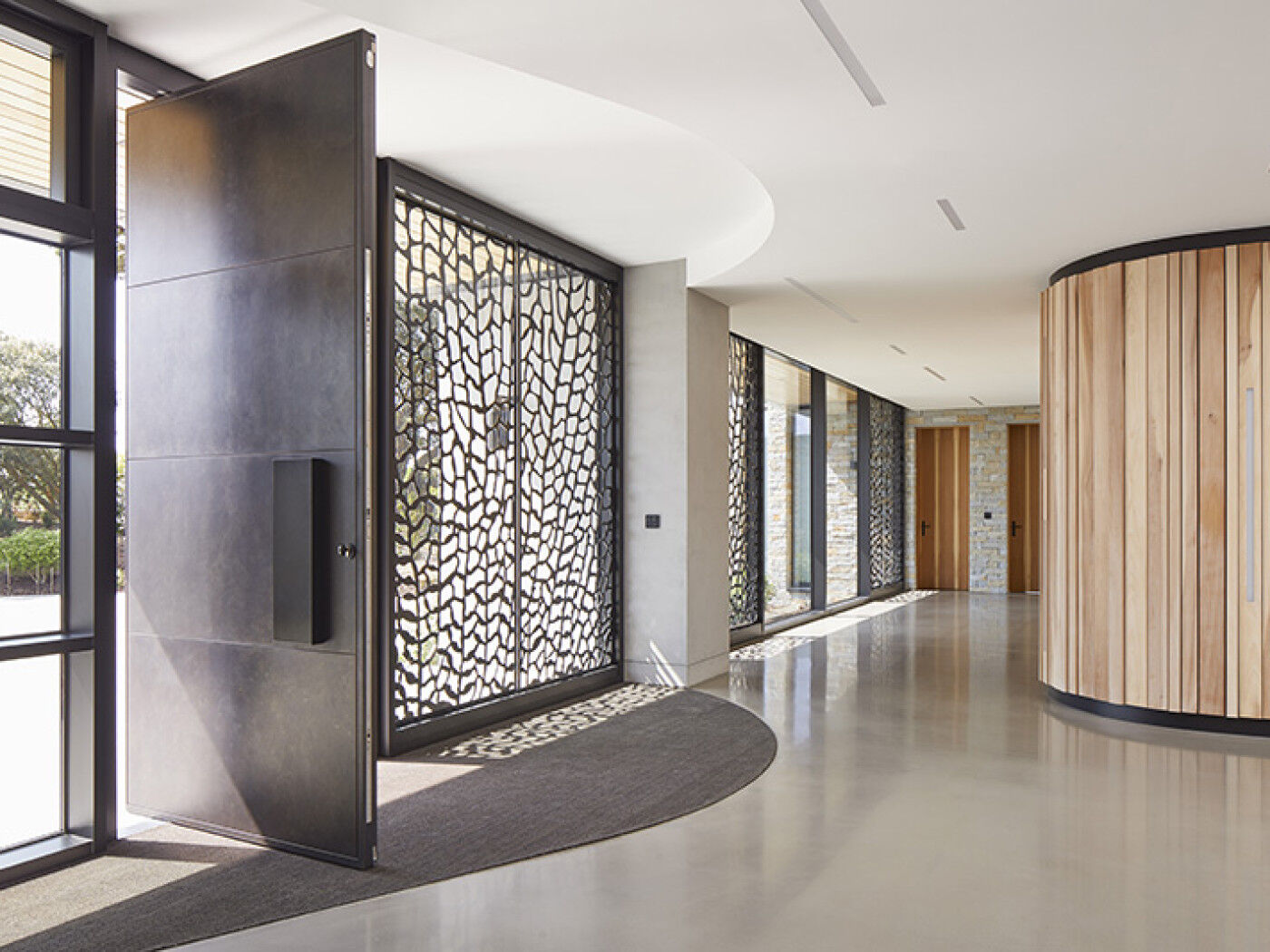
7. Make a feature of your internal doors by going full height, specify them as pivot doors, or opt for full width instead of double doors (large single doors can often be more cost effective than double doors).
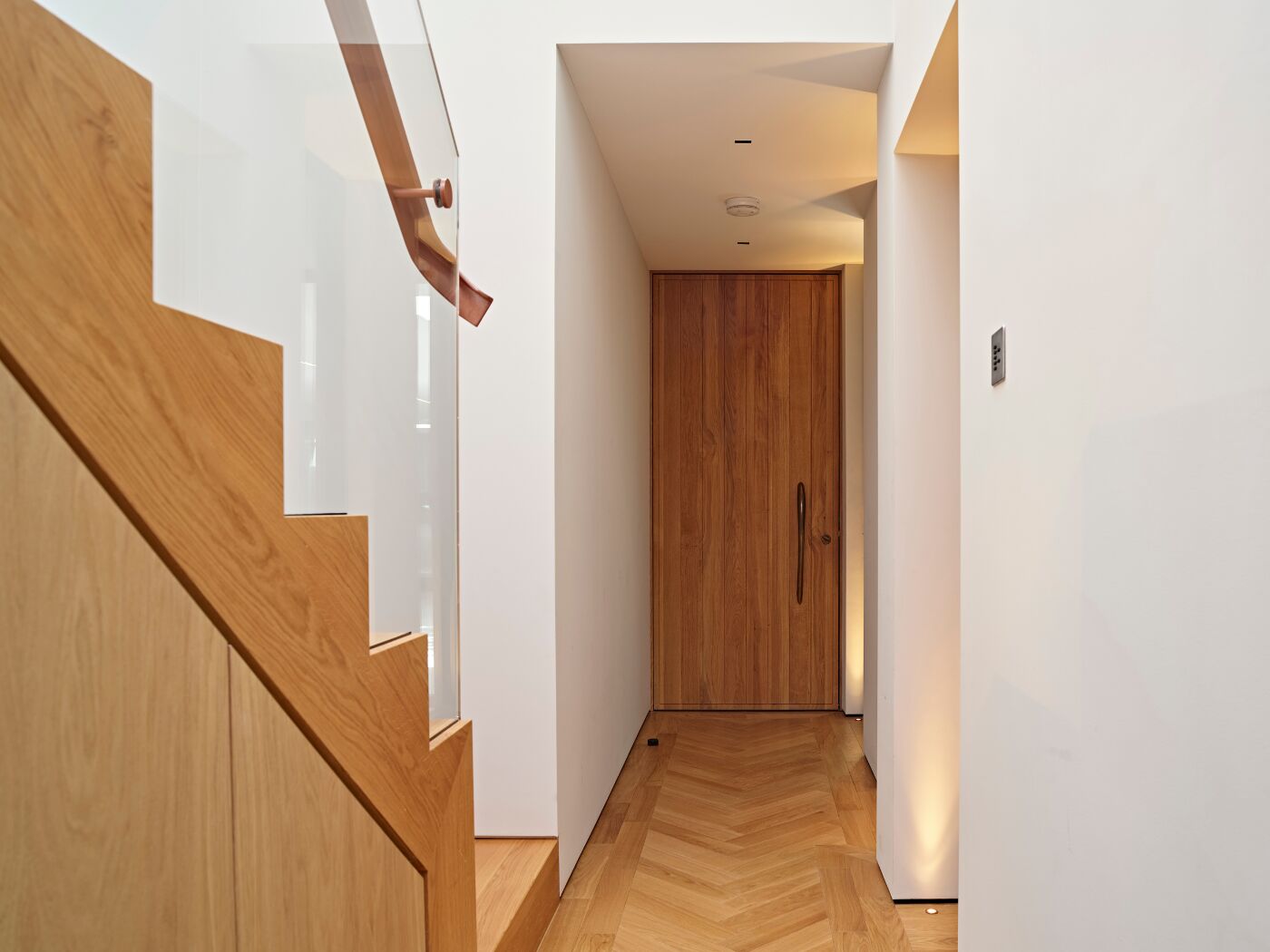
8. Think about having a concealed handle and no architrave to give your internal doors a streamlined, contemporary feel.
9. Paint the frames the same colour as the walls.
10. Choose to have different door designs for rooms, ensuites, and cupboards.
11. Internal doors usually come as doorsets with door, frame, hinges, latches and locks all fitted. Make sure you ask your supplier to give you a doorset price, which includes everything you need, so you are clear on cost.
12. Consider whether you need the door to have good sound insulation or a fire rating. Doors that open from garages into the home and doors on upper floors without fire escapes need to be fire rated. If in doubt, which with your local building control officer.
Browse more ideas and inspiration